New: (844) 324-6622
Used: (844) 694-6622
Service: (819) 563-6622
Body Shop: (819) 563-6622


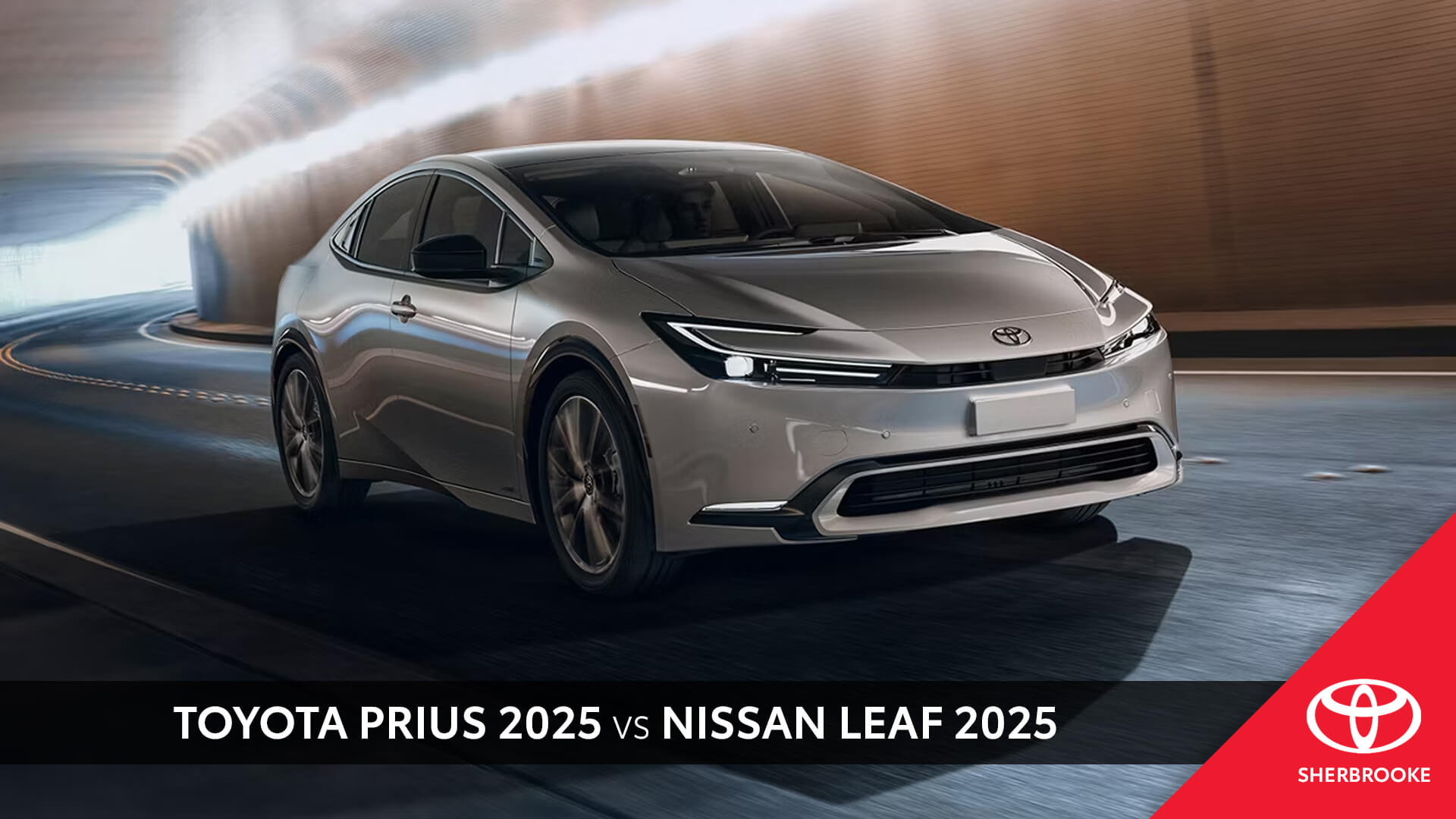
In a rapidly changing automotive market, the search for an eco-friendly, economical, and enjoyable vehicle to drive has become a priority for many drivers in Quebec. Electric and plug-in hybrid models are now taking center stage, and two names often come up in the discussion: the 2025 Toyota Prius and the 2025 Nissan Leaf.
Both vehicles have a lot to offer, but a deeper analysis shows that the plug-in hybrid approach of the Prius provides a decisive advantage in terms of versatility, range, and comfort. In this comparison, we will explore the strengths of each model in detail while highlighting what makes the 2025 Prius so compelling for local drivers.
Before diving into the details, it’s important to understand the fundamental difference between these two approaches. The 2025 Toyota Prius is a plug-in hybrid vehicle, capable of driving several dozen kilometers in 100% electric mode, with a gasoline engine taking over when the battery runs out. This combination eliminates range anxiety and offers unmatched flexibility, especially in Quebec, where distances can be long and charging stations less accessible in some regions.
The 2025 Nissan Leaf, on the other hand, is a fully electric vehicle. This means zero direct emissions and a very quiet driving experience, but also complete reliance on charging infrastructure. Even with improvements in charging networks, trip planning remains more complex for a 100% electric vehicle—particularly if you enjoy going on adventures or traveling outside major urban centers.
This distinction is crucial: choosing the 2025 Prius means opting for total freedom, while the 2025 Leaf requires more logistical discipline.

| Feature | 2025 Toyota Prius (Plug-in Hybrid) | 2025 Nissan Leaf (All-Electric) |
| Powertrain | Plug-in Hybrid | 100% Electric |
| Electric Range | ~60 km | 240–340 km (depending on trim) |
| Total Range | 1,000+ km | 240–340 km |
| Full Charging Time (240V) | ~2.5 hours | 8–11 hours |
| Versatility | Excellent (short & long trips) | Good (mostly urban use) |
| Resale Value | Very High | Average |
| Reliability | Legendary Toyota reputation | Good but variable |
| Cold Weather Impact on Range | Low | More significant |
| Standard Driver Assistance | Extensive | Good but less comprehensive |
The 2025 Toyota Prius impresses with its balance between performance and economy. In electric mode, it covers most typical daily commutes, while its ultra-efficient gasoline engine extends total range to over 1,000 km. This dual powertrain offers the best of both worlds: clean, quiet city driving and peace of mind on long trips without relying on charging stations.
The 2025 Nissan Leaf, with a range between 240 and 340 km, performs well for city and suburban driving. However, drivers who frequently travel long distances will need to carefully plan their stops. Harsh Quebec winters also reduce EV range, sometimes significantly—further highlighting the Prius’s advantage for year-round driving.
In terms of performance, the Prius offers smooth, consistent acceleration thanks to its optimized hybrid system, while the Leaf provides instant torque typical of EVs. Both are enjoyable to drive, but the Prius leads in versatility and consistency.

Stepping inside the 2025 Toyota Prius reveals a cabin designed for both driver and passengers. Ergonomic controls, quality materials, and a modern display create a welcoming and tech-forward environment. The multimedia system, compatible with wireless Apple CarPlay and Android Auto, is fast and intuitive, while numerous standard driver-assist features—adaptive cruise control, pre-collision system, pedestrian and cyclist detection—ensure top-level safety.
The 2025 Nissan Leaf also offers a comfortable, quiet cabin, but its interior design is more conventional and its multimedia interface less refined. Driver assistance features are available but less complete, especially on base trims.
Financially, the Prius stands out with its low fuel consumption, outstanding reliability, and strong resale value. Toyota’s reputation for long-lasting vehicles makes this a major advantage for buyers considering trade-ins or resale down the line.

Ownership costs go beyond purchase price. Maintenance, durability, and depreciation matter too. The 2025 Toyota Prius requires little maintenance thanks to its proven hybrid system and robust components. Maintenance intervals are longer, and parts are widely available—reducing costs over time.
The 2025 Nissan Leaf also benefits from reduced maintenance since it lacks a combustion engine, but its battery—while covered by warranty—can be costly to replace if capacity decreases after several years. Buyers should keep this in mind when comparing the two.
The comparison between the 2025 Toyota Prius and the 2025 Nissan Leaf highlights two strong options with different use cases. The Leaf is an excellent solution for urban driving with regular charging, but its limitations appear on longer trips or in harsh winter conditions.
The Prius, by contrast, offers total freedom, legendary reliability, and unmatched versatility. It combines the daily benefits of electric driving with the reassurance of extended range, while maintaining excellent resale value.
You can learn more about this outstanding model by visiting the dedicated 2025 Toyota Prius page or browsing our available inventory.
And above all, nothing replaces real-world driving experience. Schedule your test drive at Sherbrooke Toyota today and see for yourself why so many drivers choose the 2025 Prius as their trusted companion for every journey.
$149
weekly for 64 months at 5.49%
with a down payment of $0
Retail price
$47,510
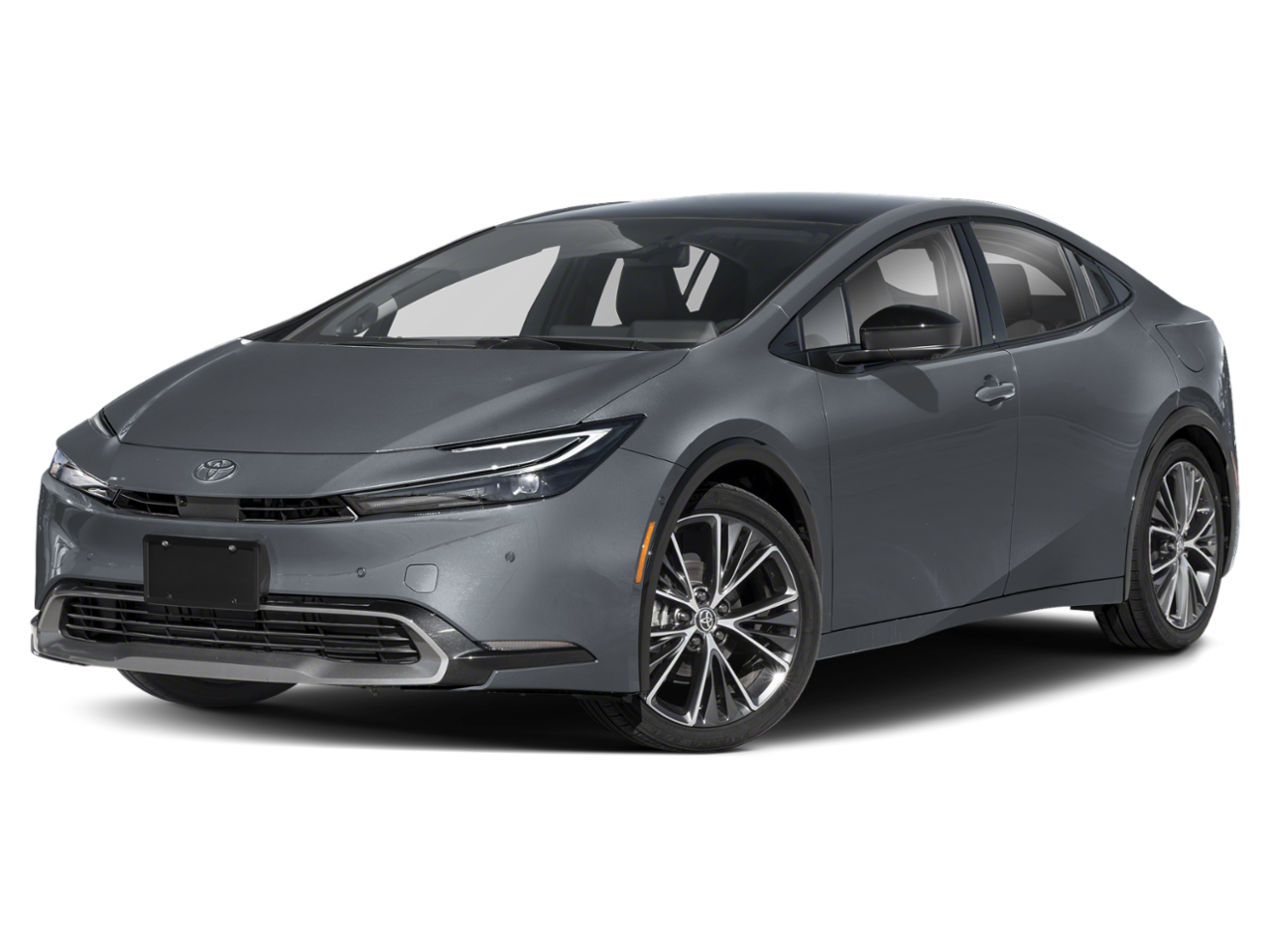
* Photo for illustrative purposes only. Certain conditions apply.
$149
weekly for 64 months at 5.49%
with a down payment of $0
Retail price
$47,510
* Photo for illustrative purposes only. Certain conditions apply.